
Slab Leak Repair
A leak under a concrete slab is one of the few plumbing problems where the fix you choose matters as much as the leak itself.
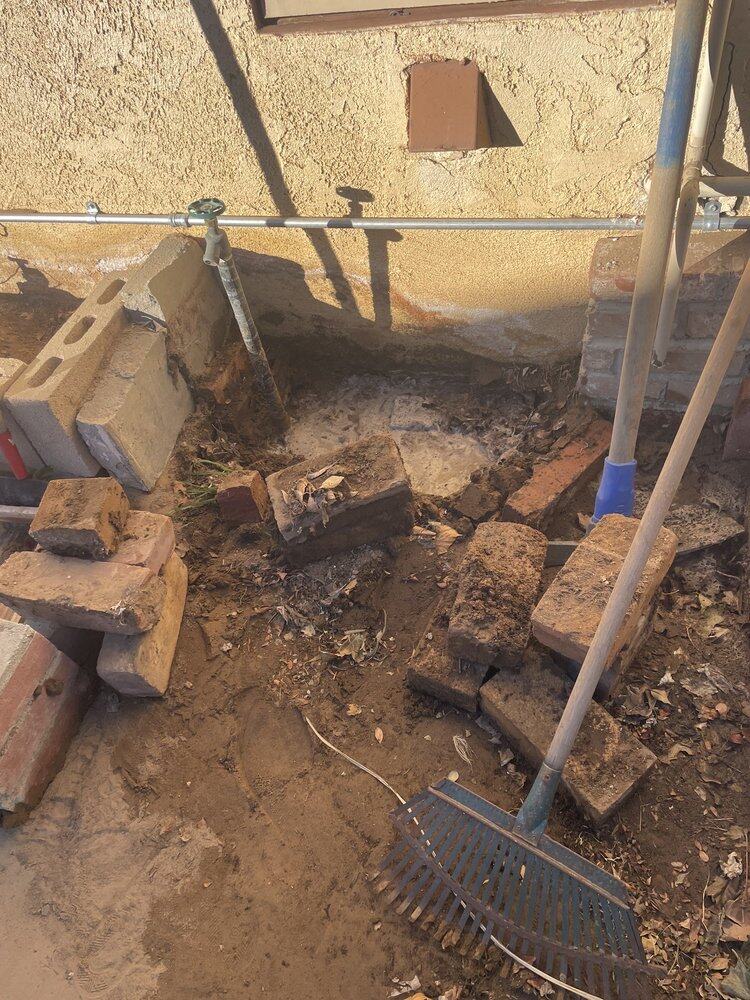
San Antonio's soil moves. Clay expands and contracts with our wet-dry swings, and that movement is hard on the copper and older lines running beneath slab foundations. When one of those lines fails, you usually notice it as a warm patch on the floor, a running-water sound with nothing turned on, or a water bill that doubled.
There are typically two ways out: break through the slab and repair the failed section, or abandon that run and reroute a new line overhead or around. Neither one is automatically correct. A single pinhole in an otherwise healthy line can be worth a spot repair; a line that's already leaked twice usually isn't. We'll tell you which situation we think you're in and why, and we'll be straightforward that a reroute costs more upfront and often saves money over the following years.
When this is probably your problem
What's included — and what isn't
Included in the quoted price
- Electronic and acoustic location of the leak beneath the slab
- A written explanation of both repair paths with pricing for each
- The repair method you approve — spot repair or reroute
- Pressure test of the repaired or rerouted line
- Basic patch of the concrete we cut, where a slab repair is chosen
Quoted separately
- Flooring removal and replacement over the work area — tile, wood, carpet
- Finish concrete work, leveling, or decorative surface restoration
- Drywall repair where a reroute runs new lines through walls
- Foundation repair, engineering evaluation, or structural work
- Permit fees where the scope requires one
How this job gets priced
We quote slab leak work after locating the leak, never before — the price gap between a single accessible spot repair and a full reroute is far too wide to guess at over the phone. You get both numbers when they both apply, along with our honest read on which one we'd choose if it were our house.
Also worth reading
What the visit looks like
Verify it's really under the slab
Plenty of "slab leaks" turn out to be a wall line or a fixture. We confirm before recommending anything invasive.
Pinpoint the location
Acoustic and pressure methods put us on the spot rather than opening a large area of floor.
Choose repair or reroute
You get both options priced, with a straight recommendation and the reasoning behind it.
Repair, test, patch
We complete the work, pressure test the line, and patch the concrete we opened.
Questions about slab leak repair
Should I do a spot repair or reroute the whole line?
If it's a first failure on a line that's otherwise in good shape, a spot repair is often reasonable. If the same line has failed before, or the pipe material and age suggest more failures are coming, a reroute usually costs less over time even though it's more expensive today. We'll give you both prices and a straight recommendation.
Will you have to break through my floor?
For a spot repair, yes — we cut through the slab at the leak location, which means going through whatever flooring is on top of it. A reroute avoids the slab entirely by running new pipe through walls or the attic, which is one of the reasons people choose it despite the higher price.
Does a slab leak damage my foundation?
Prolonged water under a slab can contribute to soil movement, which is a real concern in our clay soils. That said, we're plumbers, not structural engineers — if there's visible foundation cracking or movement, you want a foundation specialist's opinion on that separately. We'll fix the plumbing and tell you honestly when something is outside our lane.
How long does the repair take?
A straightforward spot repair is often a one-day job. A whole-line reroute usually takes longer and involves more access points. We'll give you a realistic day count once we've located the leak and you've picked an approach.
Ready to get this looked at?
Call and describe what's happening. We'll tell you what it likely is and what confirming it costs.